Alexandria, Virginia · Est. 2006
Bridging analytical gaps.
Intelligence analysis, supply chain risk and technical expertise for government and industry.
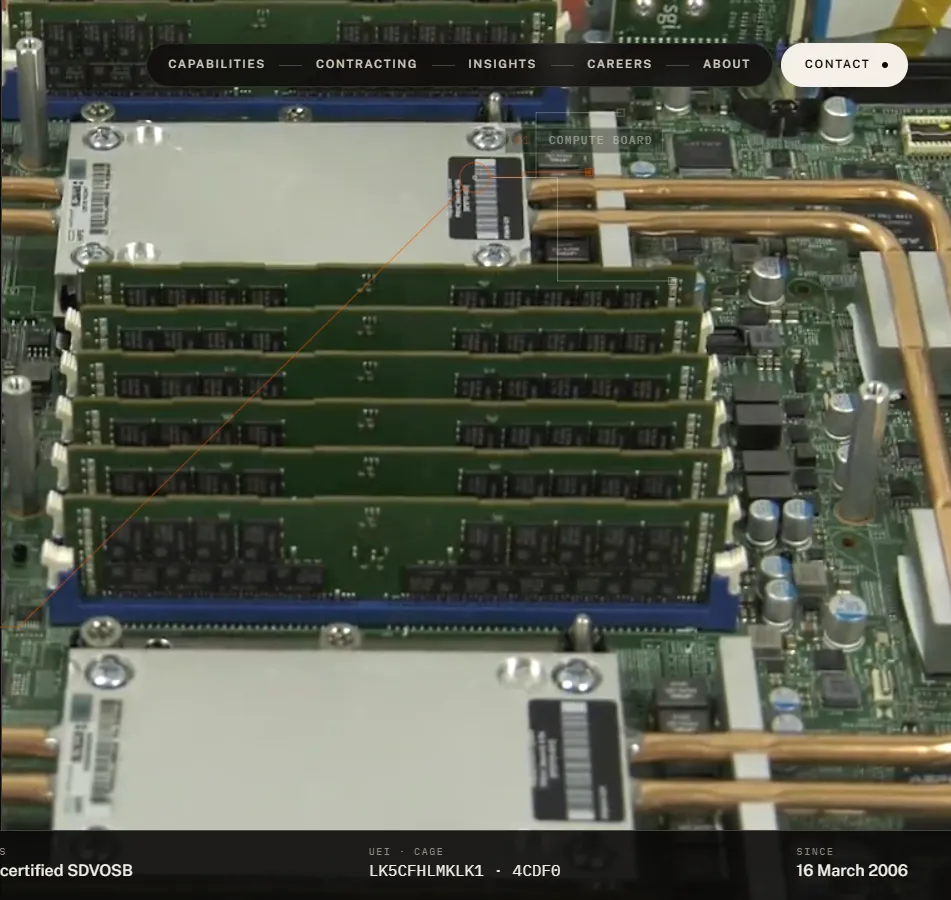
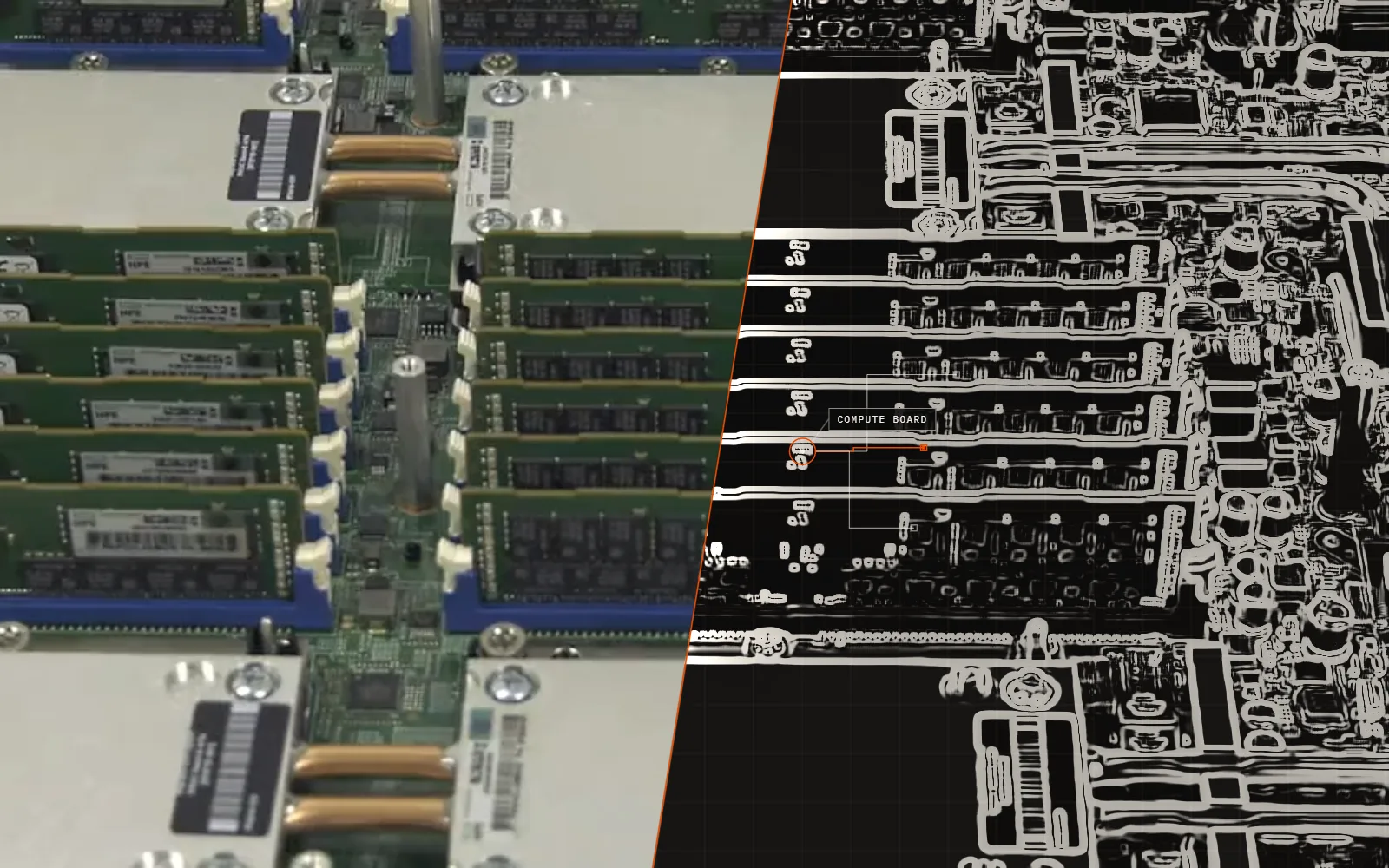
- 01SystemCompute board · NASA Ames Research Center, 2019
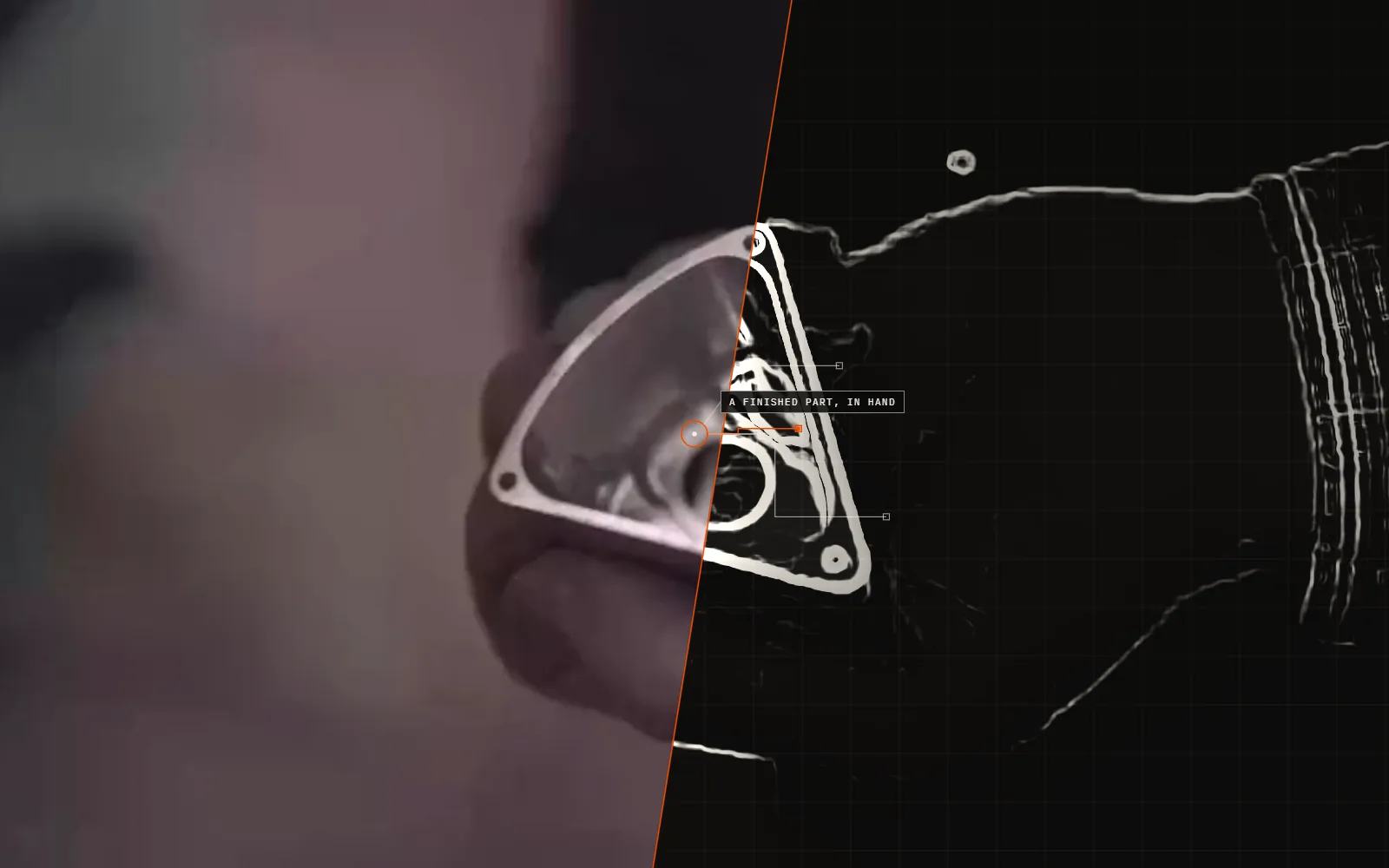
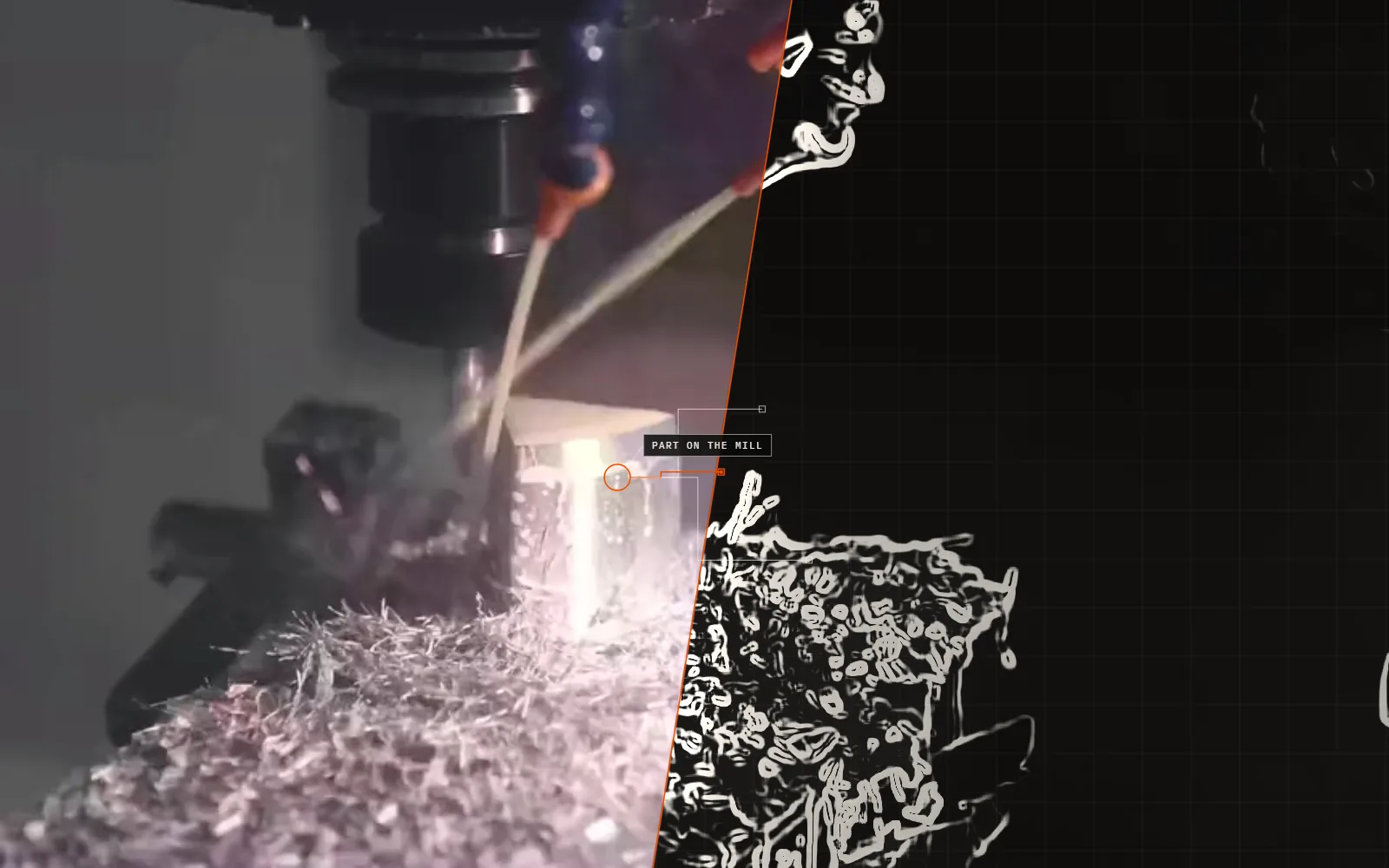
- 02ComponentPart on the mill · NASA machine-shop film, 2024
- 03PartGear being cut · Master Hands, 1936
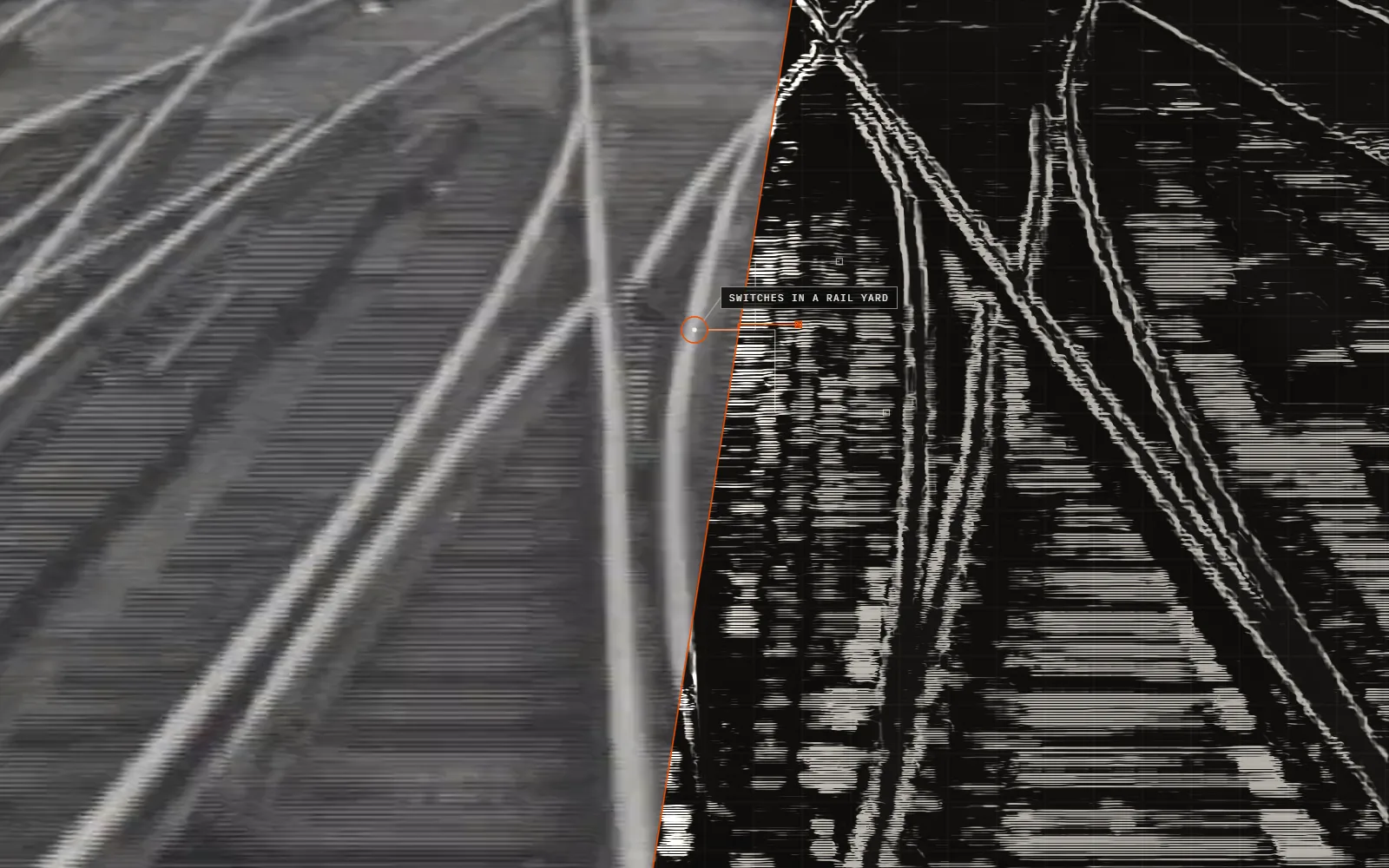
- 04FreightSwitches in a rail yard · A Great Railroad at Work, 1942
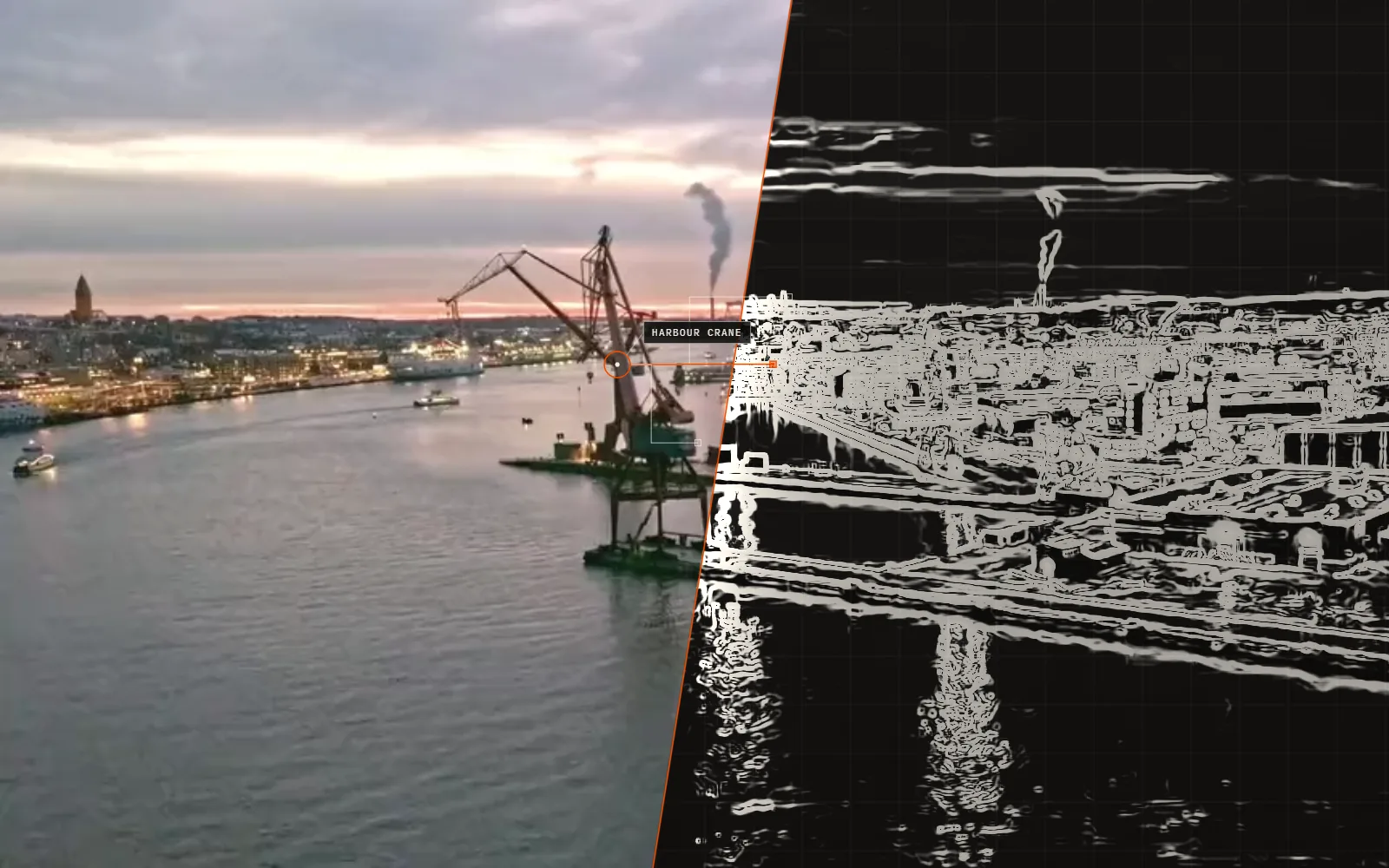
- 05PortHarbour crane · Gothenburg harbour, 2017
- 06RiverTowboat and barges · Mississippi River, 2023
- 07SmelterCopper being poured · Copper Mining and Smelting (undated)
- 08MinePower shovel at the pit · Copper Mining and Smelting (undated)
- Ownership
- Analyst-owned and led
- Status
- SBA-certified SDVOSB
- UEI · CAGE
- LK5CFHLMKLK1 · 4CDF0
- Since
- 16 March 2006
From systems to components
Every detail. A wider context.
Understanding a supply chain means looking beyond the finished product. We examine organizations, components and the relationships between them.
- Ownership
- Components
- Relationships
I — Overview
The value is in the connections.
We investigate the organizations, suppliers and relationships behind your questions. Our assessments explain what the evidence shows and what it means for your decision.
Analyst-owned and led, IAI brings together analysis, technical expertise and program support for government and commercial organizations.
About IAI
Harbour crane · Gothenburg harbour, 2017
II — The people behind the perspective
Experience makes the difference.
Our leaders are intelligence analysts who understand the work and support the people doing it.

A gauge, read · Master Hands, 1936
1984In intelligence since
Carl McDonald
President · Founder
- US Navy intelligence analyst
- Founded IAI in March 2006
- Supply chain risk management subject-matter expert since 2016
22Years, US Air Force
Barry Fisher
Chief Executive Officer
- Counterintelligence and criminal investigation
- IAI counterintelligence analyst, 2017–2018
- Chief executive since August 2025
III — Capabilities
Depth where it counts.
- 01 Flagship practice
Supply Chain Risk Management
Assess vendor, component and ownership risks across federal supply chains.
Harbour crane · Gothenburg harbour, 2017 - 02
Corporate Due Diligence
Investigate company ownership, control and relationships to support business and government decisions.
A finished part, in hand · NASA machine-shop film, 2024 - 03
All-Source Intelligence Analysis
Combine intelligence from multiple sources into assessments that explain the findings, evidence and uncertainty.
Switches in a rail yard · A Great Railroad at Work, 1942 - 04
Counterintelligence and Insider Threat
Analysis, threat assessment and program support for counterintelligence and insider threat teams.
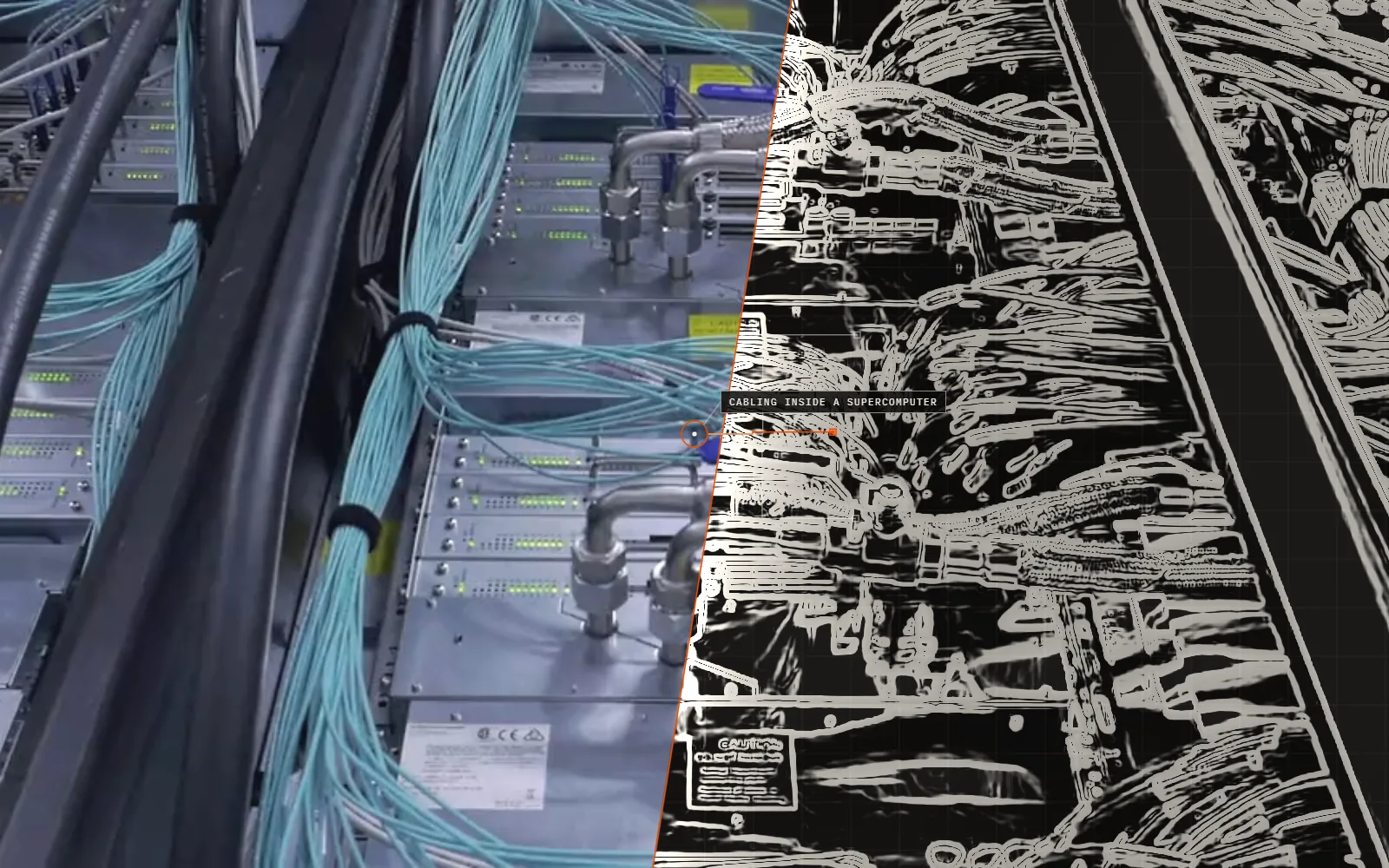
Cabling inside a supercomputer · NASA Ames Research Center, 2019 - 05
AI and Data Solutions
AI planning, data integration and analytic support shaped around your team’s needs.
Compute board · NASA Ames Research Center, 2019 - 06
Technical and Program Services
IT, project management, system assessment and proposal support for customer programs.
Part on the mill · NASA machine-shop film, 2024


Part on the mill · NASA machine-shop film, 2024
IV — Method
Better questions. Stronger perspective.
- 01
Evidence
Start with what is known.
Examine the evidence and the reliability of its sources.
- 02
Context
Follow the connections.
Understand the organizations, systems and relationships behind the question.
- 03
Judgment
Make uncertainty clear.
Explain what the evidence supports and what remains unresolved.